









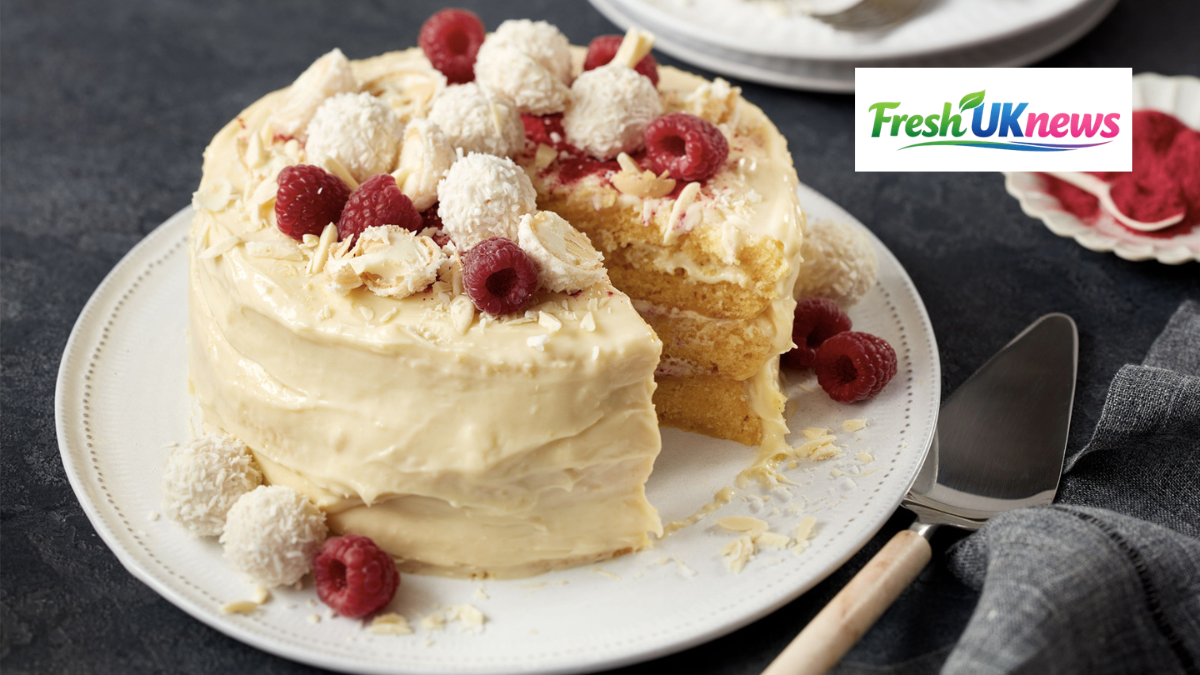
White chocolate ganache is a luxurious and versatile dessert ingredient that has become a favourite among professional bakers and home enthusiasts alike. Made by combining high-quality white chocolate and rich heavy cream, it creates a silky smooth texture perfect for cakes, cupcakes, and pastries. Its creamy consistency allows it to be used in multiple ways, including frosting, drips, glazes, or even fillings, making it an essential tool in any baker’s repertoire.
Unlike dark or milk chocolate ganache, white chocolate ganache is lighter in colour and flavour due to the absence of cocoa solids. This gives it a subtle sweetness and a delicate appearance, ideal for elegant cake designs. Its unique properties require a slightly higher chocolate-to-cream ratio to ensure stability and smoothness. Mastering white chocolate ganache opens up a world of decorating possibilities for all types of desserts.
What is White Chocolate Ganache
White chocolate ganache is essentially a smooth mixture of white chocolate and heavy cream, blended to create a luxurious and creamy texture. Its uses are varied, from acting as a frosting layer on cakes to serving as a filling for macarons or a pourable glaze for tarts. The mild flavour of white chocolate ganache complements a wide range of desserts, allowing it to be paired with fruits, nuts, and even liqueurs for enhanced taste.
The beauty of white chocolate ganache lies in its versatility. It can be poured for a glossy drip, spread as a thick frosting, or whipped for piping intricate designs. Understanding the fundamentals of its preparation ensures that the ganache maintains its silky texture and doesn’t separate, making it a reliable option for both beginners and experienced bakers.
Ingredients You’ll Need
To prepare a flawless white chocolate ganache, it is important to select high-quality ingredients. Use white chocolate containing cocoa butter for smoothness and richness, combined with heavy cream that has at least 35% fat content. Optional ingredients like butter or flavourings such as vanilla, coffee, or liqueurs can be added to enhance the taste and give the ganache extra shine and stability.
The quality of ingredients directly affects the outcome of your white chocolate ganache. Low-quality chocolate can cause the mixture to seize or become grainy, while fresh, high-fat cream ensures a silky, glossy finish. Taking care with ingredient selection ensures that your ganache will hold up beautifully during decorating or piping, providing a professional-looking result every time.
How to Make White Chocolate Ganache
Creating white chocolate ganache can be done using the microwave or stovetop methods, each offering excellent results if prepared carefully. For the microwave method, chop the white chocolate finely and melt it gently before pouring warm cream over it. Allow the mixture to rest for several minutes and then stir slowly until completely smooth. This approach is fast, convenient, and perfect for beginners looking for efficiency.
The stovetop method provides more control over the melting process and is ideal for larger batches. Heat the cream gently until it begins to simmer and then pour it over the chopped chocolate in a heatproof bowl. Stir the mixture carefully to combine. Maintaining gentle heat is key, as overheating can cause the white chocolate ganache to separate or become grainy. The recommended ratio is three parts chocolate to one part cream for drips, or four parts chocolate to one part cream for a firmer finish.
Different Consistencies and Their Uses
White chocolate ganache can be adapted to achieve various consistencies for different purposes. A pourable consistency works beautifully for cake drips and glazes, allowing it to flow smoothly over the edges of a cake. A thicker, spreadable consistency is ideal for frosting cakes or filling layered desserts, providing structure while retaining a creamy texture.
Whipped white chocolate ganache adds lightness and volume, perfect for piping intricate designs on cupcakes or decorating desserts with a delicate touch. Achieving the correct consistency is as simple as controlling the cooling time and chocolate-to-cream ratio. By experimenting with different textures, bakers can unlock the full potential of white chocolate ganache for creative and visually stunning presentations.
Colouring and Flavouring White Chocolate Ganache

White chocolate ganache is easy to customise with colours and flavours. Oil-based food colouring ensures that the ganache does not seize while achieving vibrant shades for creative designs. Flavour additions such as vanilla, coffee, or citrus zest can enhance the subtle sweetness of white chocolate ganache, while liqueurs or extracts add gourmet notes for more complex desserts.
Careful mixing is essential when adding flavourings or colour to maintain the smooth, silky texture of the ganache. Gradual incorporation allows bakers to achieve a consistent result while preserving the luxurious feel. These simple adjustments can transform basic white chocolate into a professional-level component for customised and visually appealing desserts.
Storing and Reheating Ganache
Proper storage ensures that white chocolate ganache maintains its smooth texture and flavour. At room temperature, it can last for up to two days, while refrigeration allows storage for up to five days. For longer periods, it can be frozen and then gently thawed to maintain its consistency. Covering the ganache with plastic wrap helps prevent a skin from forming on the surface.
Reheating white chocolate should be done with care. Use short bursts in a microwave or gentle heat on a stovetop, stirring frequently. This ensures that the ganache regains its creamy texture without splitting. Following these storage and reheating tips allows bakers to prepare white chocolate ganache in advance without compromising quality or consistency.
Troubleshooting Common Problems
White chocolate ganache can sometimes split or appear grainy if not prepared carefully. Gently reheating in short increments or adding a splash of cream while whisking vigorously can restore the smooth texture. Avoid direct high heat and choose quality chocolate to minimise these issues, ensuring consistent results every time.
Understanding common preparation pitfalls helps bakers achieve perfect white chocolate ganache with ease. Paying attention to ratios, temperature control, and ingredient quality reduces the risk of problems. With experience, bakers can create a luxurious ganache that is smooth, glossy, and ideal for a variety of dessert applications.
Conclusion
White chocolate ganache is an essential ingredient for creating professional and visually stunning desserts. Its versatility allows it to be used as a drip, frosting, glaze, or filling, making it perfect for any baking project. By following proper preparation techniques, using high-quality ingredients, and experimenting with textures and flavours, bakers can master white chocolate ganache and elevate their desserts to a new level of elegance and taste.
Frequently asked questions
What is the best ratio for white chocolate ganache?
A 3:1 chocolate-to-cream ratio is ideal for drips, while 4:1 provides a firmer, spreadable ganache.
Can I make white chocolate ganache ahead of time?
Yes, it can be prepared in advance and stored in the fridge for up to five days.
How do I fix grainy or split white chocolate ganache?
Reheat gently in small increments or whisk in extra cream to restore smoothness.
Can I colour white chocolate ganache?
Yes, using oil-based food colouring prevents seizing and keeps the texture silky.
Can I use white chocolate ganache for cake filling or frosting?
Absolutely, it is perfect for both, providing a creamy, glossy finish.
How long can I store white chocolate ganache in the fridge?
Up to five days, properly covered with plastic wrap to prevent skin formation.
Can I make whipped white chocolate ganache for piping?
Yes, chill for 20–30 minutes and then whip for a light, airy texture ideal for decoration.
Also Read: dog friendly restaurants near me