









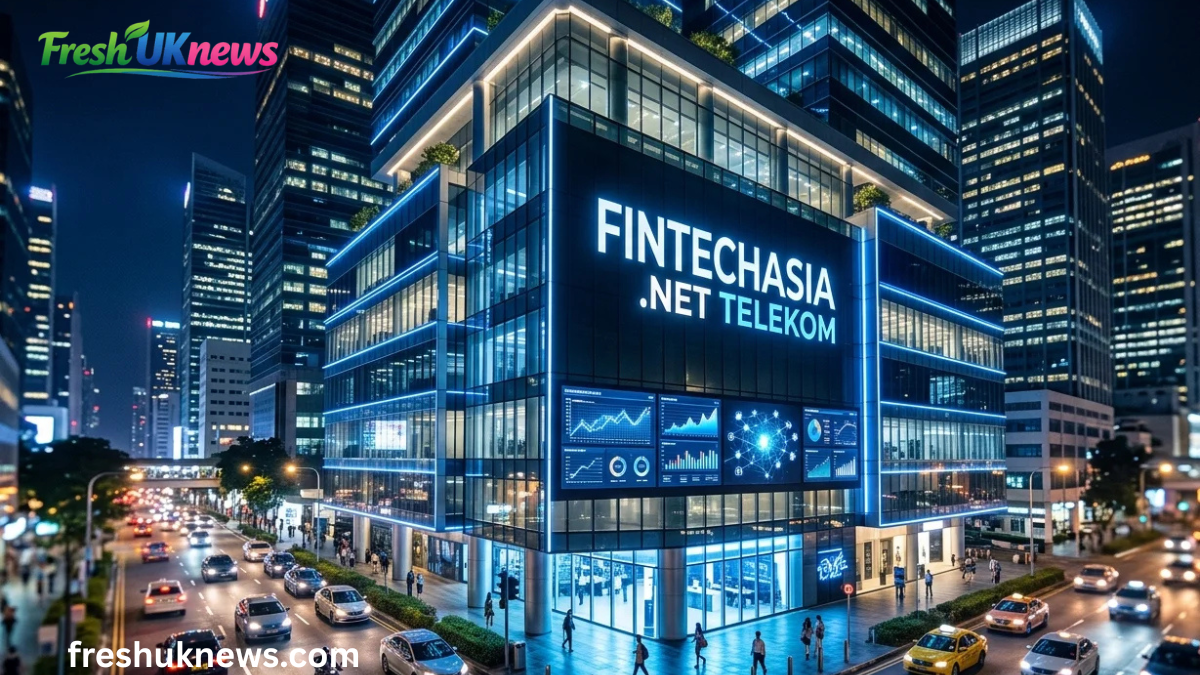
The fintechasia .net telekom digital economy in Asia is evolving at a remarkable pace, and at the center of this transformation lies the convergence of financial technology and telecommunications. The concept of fintechasia .net telekom represents this powerful intersection, where telecom infrastructure meets modern fintech solutions to deliver faster, more accessible, and more inclusive financial services. As mobile connectivity expands across Asia, telecom companies are no longer just communication providers—they are becoming key players in the financial ecosystem.
Platforms like fintechasia.net highlight how deeply interconnected these industries have become. From mobile banking apps to digital wallets and instant payment systems, telecom-driven fintech is reshaping how individuals and businesses interact with money. This shift is especially significant in emerging markets where traditional banking access is limited, making telecom networks the foundation of financial inclusion and digital empowerment.
The Rise of Telecom in the Fintech Industry
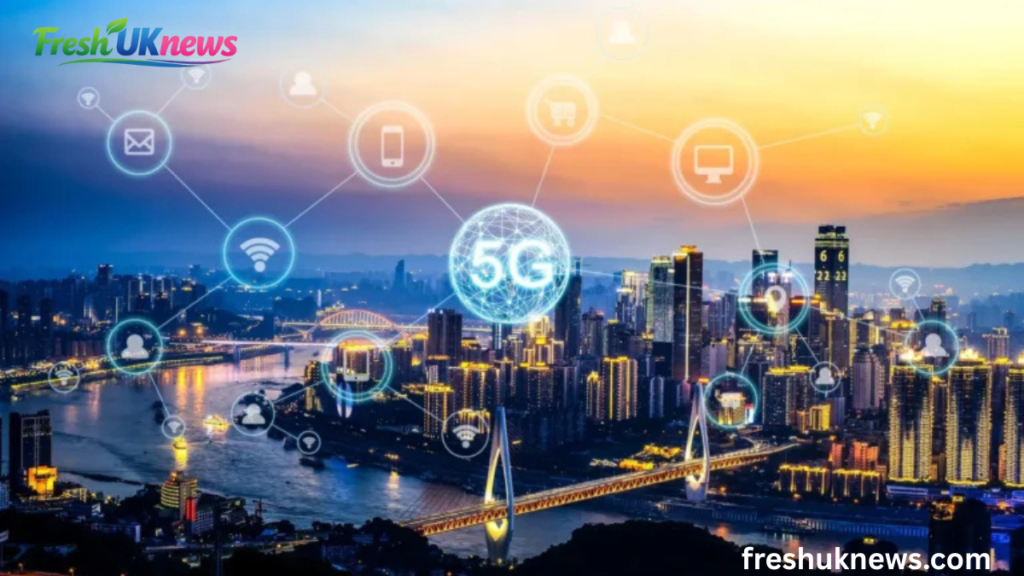
Telecom companies have undergone a massive transformation over the past decade. Once focused solely on voice calls and messaging services, they are now expanding into financial services through mobile money platforms, digital wallets, and integrated banking solutions. The keyword fintechasia .net telekom reflects this evolution, showcasing how telecom operators are becoming central to fintech innovation across Asia.
One of the main reasons for this shift is the widespread availability of mobile phones, even in rural and underbanked regions. Telecom companies already control the infrastructure and customer base, making it easier for them to introduce financial services directly through mobile devices. This has enabled millions of users to access banking, payments, and credit services without needing traditional bank accounts.
Additionally, telecom providers are leveraging their networks to support real-time financial transactions, secure data transfers, and scalable digital ecosystems. By combining connectivity with financial technology, they are helping to create a more inclusive and efficient financial landscape across Asia.
Key Features and Services Highlighted by fintechasia .net telekom
The fintechasia .net telekom ecosystem includes a wide range of innovative financial services powered by telecom infrastructure. One of the most prominent features is digital payment systems, which allow users to send and receive money instantly using mobile devices. These systems are widely used for everyday transactions, online shopping, and business payments, making cashless economies more practical and accessible.
Another key service is cross-border remittance, which is especially important in Asia due to high migration and international workforce movement. Telecom-driven fintech platforms are reducing transaction costs and improving speed, allowing users to transfer money across countries with ease. This has a direct impact on families and businesses that rely on international financial support.
In addition, technologies such as artificial intelligence and cloud computing are being integrated into fintech telecom systems. These tools enhance fraud detection, personalize financial services, and improve operational efficiency. Combined with strong cybersecurity frameworks, they ensure that users can trust digital platforms with sensitive financial data.
Market Trends Shaping fintechasia .net telekom Growth
Several major trends are driving the expansion of fintechasia .net telekom across Asia. One of the most significant is the rapid adoption of cashless payments. As consumers become more comfortable with digital transactions, telecom companies are positioning themselves as key financial service providers through mobile apps and integrated platforms.
Another important trend is the rise of super apps—platforms that combine communication, shopping, transportation, and financial services in a single ecosystem. Telecom operators are actively investing in these all-in-one solutions to increase user engagement and expand their financial service offerings. This trend is reshaping how people interact with digital services on a daily basis.
The rollout of 5G technology is also playing a critical role. With faster speeds and lower latency, 5G enables real-time financial transactions, advanced mobile banking features, and seamless integration of fintech services. Together with supportive government regulations, these trends are accelerating the growth of telecom-fintech collaboration across the region.
Challenges in Telecom-Fintech Integration
Despite its rapid growth, the fintechasia .net telekom ecosystem faces several challenges. One of the biggest issues is regulatory compliance. Financial services are heavily regulated, and telecom companies entering this space must navigate complex legal frameworks that vary across countries. This can slow down innovation and expansion.
Cybersecurity is another major concern. As financial transactions move online, the risk of data breaches, fraud, and hacking increases. Telecom fintech providers must invest heavily in advanced security systems to protect user data and maintain trust in digital platforms.
Additionally, infrastructure limitations in developing regions can hinder service quality. While urban areas may benefit from high-speed internet and advanced networks, rural regions often face connectivity issues. This creates an uneven distribution of fintech services, limiting full financial inclusion.
Future Opportunities for fintechasia .net telekom
The future of fintechasia .net telekom is filled with opportunities for innovation and expansion. One of the most promising areas is artificial intelligence-driven financial services. AI can help personalize banking experiences, improve credit scoring, and automate customer support, making financial services more efficient and user-friendly.
Blockchain technology also presents significant potential. By enabling secure, transparent, and decentralized transactions, blockchain can enhance trust in telecom-fintech systems. This is particularly valuable for cross-border payments and digital identity verification.
Another major opportunity lies in expanding financial services to underserved populations. Telecom companies have the unique advantage of reaching remote and rural areas, making them ideal drivers of financial inclusion. As digital infrastructure continues to improve, more people will gain access to essential financial tools through their mobile devices.
Conclusion
The concept of fintechasia .net telekom represents a powerful shift in how financial services are delivered and consumed across Asia. By combining the strengths of telecommunications and financial technology, this ecosystem is creating faster, more accessible, and more inclusive financial solutions. From mobile payments to AI-driven banking systems, the integration of these industries is reshaping the digital economy.
While challenges such as regulation, cybersecurity, and infrastructure remain, the long-term potential is undeniable. As technology continues to evolve, telecom-driven fintech will play an increasingly important role in building a connected and financially inclusive future for Asia and beyond.