










Chestnut mushrooms are a gourmet favourite in UK kitchens, celebrated for their firm, meaty texture and distinctive nutty flavour. Unlike standard button mushrooms, they bring a depth of taste that enhances everything from breakfast dishes to elaborate evening meals. Their rounded, brown caps and crunchy stems make them visually appealing, while their versatile culinary profile allows them to be sautéed, roasted, grilled, or incorporated into soups and risottos with equal success.
These mushrooms are not only delicious but also nutritionally rich. Packed with B vitamins, potassium, and antioxidants, chestnut mushrooms provide essential nutrients for overall wellness. Their low-calorie, high-protein profile makes them an excellent choice for plant-based diets or anyone looking to add a healthy, flavourful ingredient to their meals. Understanding their characteristics and uses ensures you make the most of this exceptional ingredient.
What Are Chestnut Mushrooms?
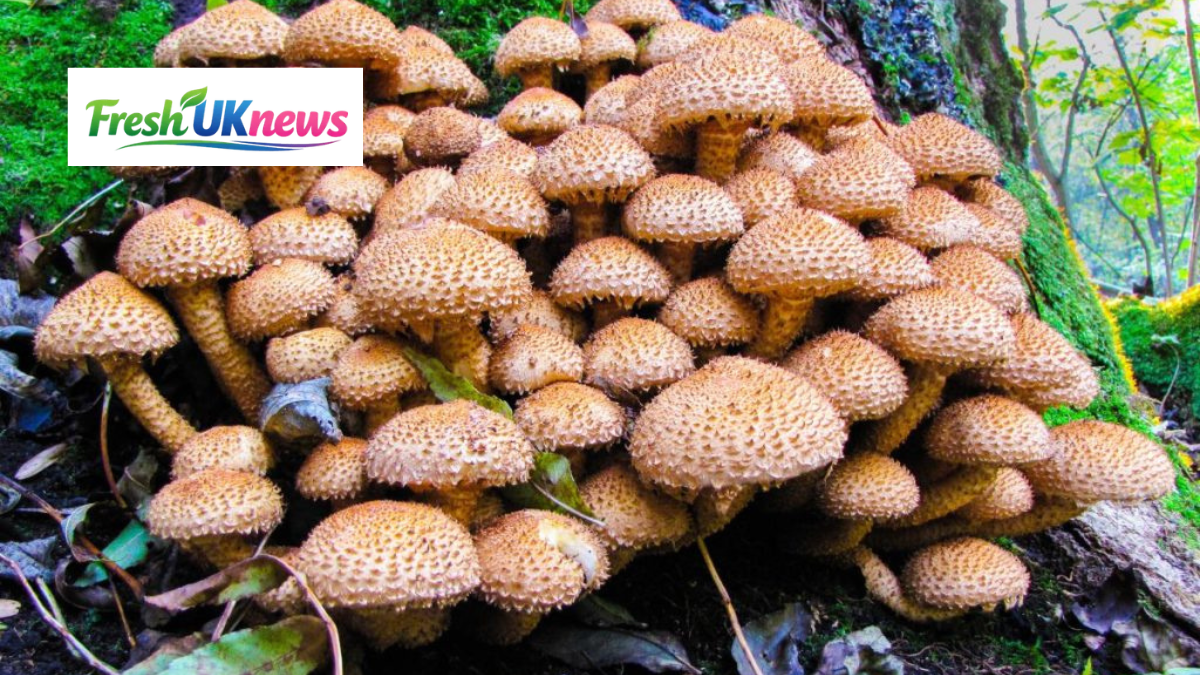
Chestnut mushrooms, scientifically known as Pholiota adiposa, are a hardwood-loving fungus prized for their firm texture and distinctive nutty taste. While many supermarket varieties labelled as “chestnut mushrooms” are actually cremini mushrooms, true chestnut mushrooms are slightly firmer and have scaly, brownish caps. This subtle difference in texture and flavour is what sets them apart from other brown mushrooms.
These mushrooms typically grow in dense clusters and thrive in cooler climates. Their firm stems and rounded caps make them suitable for a variety of cooking methods that require heat, including roasting and stir-frying. Recognising genuine chestnut mushrooms ensures the best flavour and quality, enhancing both simple meals and gourmet dishes alike.
Nutritional Profile and Health Benefits
Chestnut mushrooms are a nutritional powerhouse, providing high levels of essential vitamins and minerals. Rich in B vitamins like niacin and riboflavin, they support energy metabolism and nervous system health. Potassium content helps regulate blood pressure, while selenium and other antioxidants contribute to overall immune support and anti-inflammatory effects.
Low in calories and fat but high in protein, chestnut mushrooms make a satisfying meat substitute in vegetarian and vegan dishes. Including them in a balanced diet can aid in weight management, promote heart health, and provide essential nutrients often lacking in plant-based meals. Their combination of taste and nutrition makes them an ideal ingredient for everyday cooking.
Culinary Uses and Cooking Tips
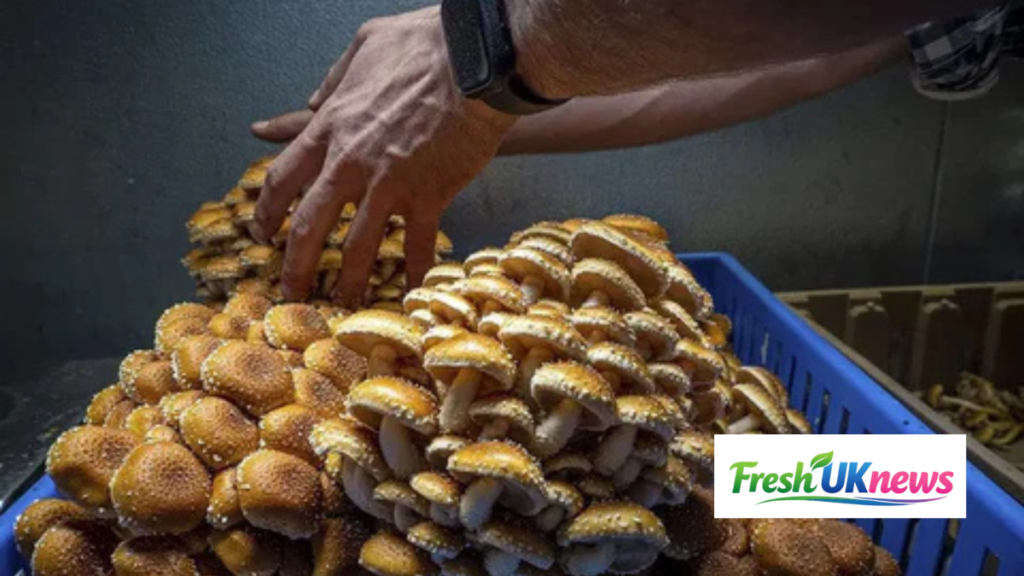
Chestnut mushrooms are highly versatile in the kitchen, suitable for a wide array of cooking methods. Sautéing them with butter, garlic, and fresh herbs enhances their natural nutty flavour, while roasting brings out a deep caramelised taste. They also perform well in soups, stews, risottos, and pasta dishes, where their firm texture stands up to prolonged cooking without becoming soggy.
Pairing chestnut mushrooms with ingredients like thyme, soy sauce, cream, or olive oil elevates both taste and aroma. They are also excellent when added to pizzas, salads, or breakfast omelettes, offering a satisfying, meaty bite. Cooking them over high heat is key to maximising flavour and maintaining the desirable firm texture.
Storage, Selection, and Preparation
When buying chestnut mushrooms, choose those with firm caps, smooth surfaces, and consistent brown colour. Avoid mushrooms that appear slimy or shrivelled, as these are signs of ageing. For optimal freshness, store them in a paper bag in the refrigerator for three to five days, which helps absorb excess moisture and prevents spoilage.
Cleaning chestnut mushrooms requires care; instead of soaking them in water, gently brush away any dirt using a damp cloth or soft brush. The entire mushroom, including the stems, is edible, adding both texture and flavour to dishes. Proper selection, storage, and preparation ensure that chestnut mushrooms retain their rich taste and nutritional benefits.
Growing Chestnut Mushrooms at Home
Chestnut mushrooms can be successfully grown at home using spore kits or hardwood logs, making them accessible to enthusiastic gardeners. They thrive in cooler temperatures, ideally between 15–21°C, and require moderate humidity to flourish. Home cultivation offers the advantage of fresh mushrooms on demand, allowing for a continuous supply of premium-quality produce.
Beginners should start with a reliable kit, which provides pre-inoculated logs or substrates for easier growth. With consistent care, chestnut mushrooms can produce multiple harvests, adding both fun and flavour to home cooking. Growing your own also ensures that mushrooms are free from pesticides and optimally fresh.
Chestnut Mushrooms vs Other Mushroom Varieties
Compared with cremini, button, shiitake, or oyster mushrooms, chestnut mushrooms stand out due to their firm texture and rich, nutty taste. They hold up better under high-heat cooking methods like roasting or stir-frying, whereas softer mushrooms may release excess water and become soggy.
Understanding the differences between mushroom types allows you to select the right variety for each dish. While button mushrooms are mild and suitable for quick-cooking recipes, chestnut mushrooms are ideal when a deeper, more robust flavour and firmer texture are desired. Their versatility and culinary appeal make them a favourite in professional kitchens.
Conclusion
Chestnut mushrooms are a delicious, nutritious, and versatile ingredient that every kitchen should have. From their rich flavour and firm texture to their impressive health benefits, they enhance both simple and gourmet recipes. With proper selection, storage, and cooking, chestnut mushrooms can transform everyday meals into memorable dishes, while home cultivation offers a rewarding way to enjoy them fresh year-round.
Including chestnut mushrooms in your diet is not only a treat for the taste buds but also a boost for your overall health. Their ability to pair with a wide range of ingredients and hold up to various cooking methods makes them an essential ingredient for anyone passionate about food.
Frequently Asked Questions
What are chestnut mushrooms?
They are a nutty, firm-textured mushroom variety, often mistaken for cremini.
Are chestnut mushrooms edible raw?
Yes, but cooking enhances flavour and texture.
How do chestnut mushrooms differ from cremini mushrooms?
Chestnut mushrooms are firmer, nuttier, and often have scaly caps.
What are the health benefits of chestnut mushrooms?
They are rich in B vitamins, potassium, selenium, and antioxidants.
How should chestnut mushrooms be stored?
In a paper bag in the fridge for 3–5 days.
Can you grow chestnut mushrooms at home?
Yes, using spore kits or hardwood logs in cool, humid conditions.
What dishes are best for chestnut mushrooms?
Sautéed, roasted, risottos, soups, pizzas, and breakfast meals.
Also Read: bbc good food show