









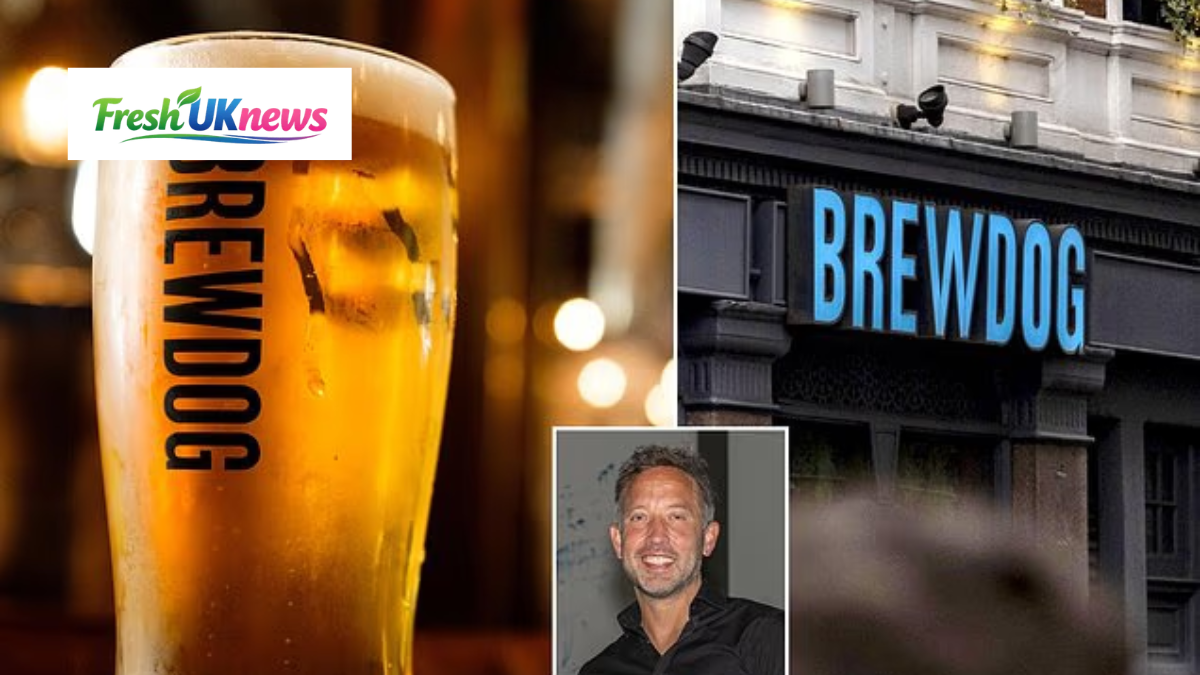
BrewDog beers axed by pubs has become one of the most discussed stories in the UK craft beer scene. Nearly 2,000 pubs have removed the Scottish brewery’s products over the past two years, with the flagship Punk IPA being the hardest hit. This shift represents a significant change in the UK draught beer landscape, affecting both the brewery’s distribution and consumer choice. The move has left loyal BrewDog drinkers seeking alternatives while competitors gain ground.
The decision to remove BrewDog beers axed by pubs has not been taken lightly by pub chains. Many operators cite a need to streamline stock, reduce costs, and focus on brands with higher profit margins. While some pubs continue to serve BrewDog, the widespread removal highlights the challenges facing independent breweries in a market increasingly dominated by larger chains and changing consumer preferences.
The scale of BrewDog’s removal from UK pubs
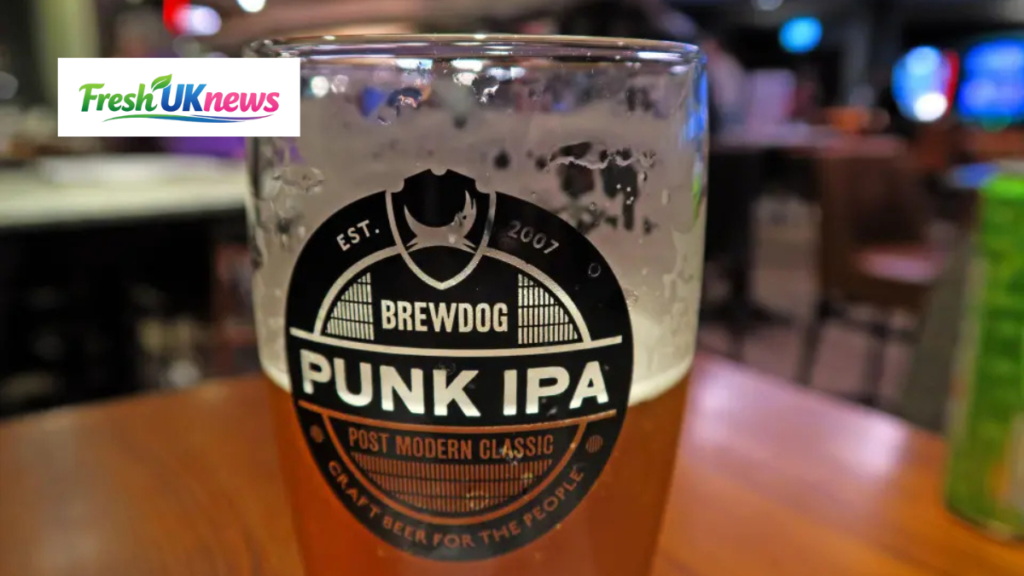
BrewDog beers axed by pubs has impacted roughly 1,860 to 1,980 establishments across the UK. This represents over a third of the brewery’s draught distribution, a dramatic drop for a brand that once enjoyed near-ubiquity. Punk IPA, in particular, has seen its availability cut by more than half, affecting both metropolitan and regional pubs. The numbers illustrate just how significant this trend is for BrewDog and the wider craft beer market.
The widespread nature of BrewDog beers axed by pubs also demonstrates how pub operators across England, Scotland, and Wales are prioritising profitability over brand loyalty. Many small and medium-sized pubs have had to make tough decisions, choosing to remove even well-known craft beers to focus on products that promise quicker turnover. For consumers, this means a noticeable change in beer choices on tap.
Reasons behind pubs dropping BrewDog
The main reason BrewDog beers axed by pubs is financial. Pub chains are looking to boost margins by favouring alternative brands or their own in-house options. Independent breweries like BrewDog often face pressure from distributors and operators to meet pricing expectations, which can make it difficult to maintain a strong presence. Streamlining stock allows pubs to simplify operations, reduce waste, and concentrate on more profitable offerings.
Consumer behaviour also contributes to BrewDog beers axed by pubs. Changing tastes and interest in newer craft brands, including Camden Town and Beavertown, has influenced pub decisions. The combination of rising operational costs, competitive pricing, and shifting consumer preferences has created an environment where even a popular brewery like BrewDog can lose its place on tap in a significant number of pubs.
Financial impact on BrewDog
The removal of BrewDog beers axed by pubs has added substantial financial pressure on the Scottish brewery. With five consecutive years of losses, the company has already faced staff cuts and the closure of some of its own bars. Losing nearly 2,000 draught outlets further reduces revenue streams and compounds the challenges BrewDog faces in maintaining profitability. The brewery must now rethink distribution and marketing strategies to sustain its business.
BrewDog beers axed by pubs also affects the brand’s image and market position. Reduced visibility in pubs means fewer opportunities for consumers to try the beer, which can impact long-term customer loyalty. Investors and industry analysts are paying close attention, as this trend reflects both operational challenges and the evolving dynamics of the UK craft beer industry.
Responses from pubs and chains
Despite BrewDog beers axed by pubs, some chains such as JD Wetherspoon continue to serve the brewery. This selective retention shows that pub operators have different strategies, often based on location, customer demand, and contractual arrangements with suppliers. For some, keeping BrewDog on tap remains a way to attract craft beer enthusiasts, while others opt for brands that offer higher profit margins or simplified supply chains.
Pub operators have stated that decisions behind BrewDog beers axed by pubs are largely driven by economics and efficiency. Removing certain brands allows pubs to optimise their stock and reduce waste, ensuring they can offer a competitive product range. While BrewDog has a loyal fan base, financial considerations often outweigh brand loyalty in the business of pub management.
Impact on consumers and the craft beer market
BrewDog beers axed by pubs affects consumers who have become accustomed to enjoying these Scottish beers on tap. Regular customers now face limited access, which can lead to frustration or the need to seek alternative venues. This has created opportunities for rival craft beer brands to expand their presence and attract new customers who were once loyal to BrewDog.
The wider craft beer market also feels the effects of BrewDog beers axed by pubs. Emerging breweries can capitalise on the gap left by BrewDog, gaining market share and increasing competition. Changing consumer preferences, combined with pub decisions, suggest a more dynamic and competitive landscape where breweries must innovate to remain relevant.
BrewDog’s future strategy
In response to BrewDog beers axed by pubs, the brewery will need to adjust its strategy. Possible measures include renegotiating distribution agreements, revising pricing, launching targeted marketing campaigns, or collaborating with pubs to maintain visibility. Innovation in product offerings and engagement with consumers may also help BrewDog regain its market position.
BrewDog beers axed by pubs highlights the need for resilience and adaptation. Learning from competitors, understanding consumer behaviour, and focusing on sustainable growth will be key for BrewDog. The Scottish brewery faces a critical period where strategic decisions will determine whether it can recover its former presence across UK pubs.
Conclusion
The removal of BrewDog beers axed by pubs signals a major shift in the UK craft beer industry. With nearly 2,000 establishments no longer serving the brewery, the financial and reputational impact is significant. While some pubs continue to stock BrewDog, the overall trend indicates a changing market where independent breweries must navigate economic pressures and evolving consumer tastes. BrewDog’s future success will depend on strategic adaptation, innovation, and maintaining consumer engagement.
Frequently Asked Questions
Why have BrewDog beers been axed by UK pubs?
Pubs are prioritising higher-margin brands and streamlining stock to improve profitability.
Which BrewDog beers were removed the most?
Punk IPA was the hardest hit, along with several other draught varieties.
How many pubs have stopped serving BrewDog in the UK?
Around 1,860 to 1,980 pubs have removed BrewDog products from their taps.
Are any major pub chains still serving BrewDog?
Yes, JD Wetherspoon and some independent pubs continue to offer BrewDog beers.
What financial impact does this have on BrewDog?
It reduces revenue, pressures profitability, and affects brand visibility across the UK.
Is BrewDog still popular among UK consumers?
While some loyal fans remain, rival craft beer brands are gaining traction.
Which rival beer brands are replacing BrewDog in pubs?
Beavertown, Camden Town, and other independent craft beers are becoming more common.
Will BrewDog try to return to pubs in the future?
The brewery is likely to adjust its strategies to regain market presence and rebuild distribution.
How does this trend affect the UK craft beer market?
It creates opportunities for competitors and signals changing consumer preferences and pub strategies.
Also Read: chestnut mushrooms