










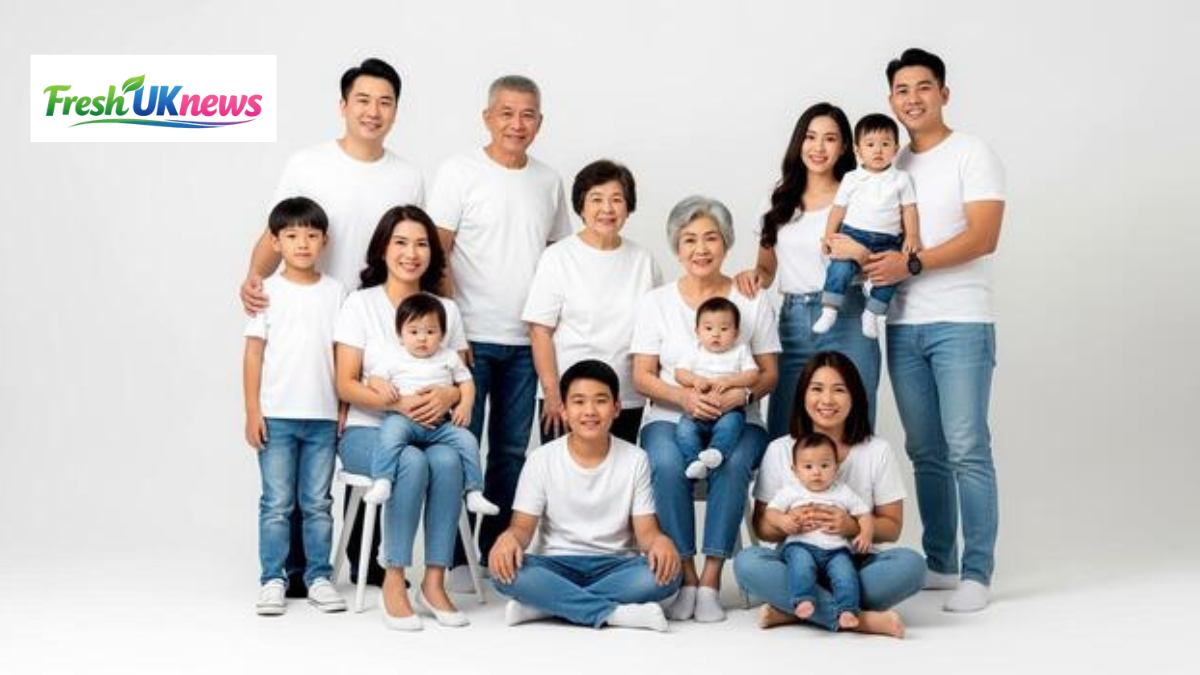
A big family refers to a household that typically has three or more children or includes extended relatives such as grandparents, aunts, uncles, and cousins. Growing up in a big family often means experiencing a bustling environment filled with energy, laughter, and occasional chaos. Children in such households are never truly alone, as there is always someone to play with, learn from, or share experiences alongside, creating a unique social ecosystem.
The characteristics of a big family include constant interaction, shared responsibilities, and deep familial bonds. These households often have lively routines, with mealtimes, homework, and chores creating opportunities for teamwork. In addition, members of a big family usually develop strong social skills early, as they constantly navigate communication, negotiation, and cooperation with multiple personalities under one roof.
Big Family: Advantages and Benefits
One of the most notable advantages of a big family is the built-in support system it provides. Children grow up with siblings, cousins, and other relatives, which nurtures empathy, social intelligence, and adaptability. Daily interactions teach patience, cooperation, and conflict resolution, equipping children with skills they carry into adulthood. In a big family, emotional and social growth occurs naturally through shared experiences.
A big family also helps children develop resilience and a sense of responsibility. Older siblings often take on caregiving roles, while younger children learn from observation and guidance. Practical advantages include shared chores, pooled resources, and collaborative problem-solving, which ease the demands on parents. Overall, the benefits of a big family extend beyond childhood, fostering lifelong bonds and shaping personalities in meaningful ways.
Big Family: Challenges and Considerations
Living in a big family comes with its challenges. Space can be limited, noise levels are higher, and privacy is often scarce. Parents must juggle attention, resources, and individual needs for each child, which can be demanding. Managing household routines, schedules, and responsibilities requires organisation, patience, and careful planning to ensure harmony in a busy environment.
Sibling rivalry and competition are natural in a big family. Children may compete for attention, resources, or recognition, creating occasional tension. However, these conflicts also teach problem-solving, negotiation, and compromise. Families often use structured routines, clear rules, and open communication to manage conflicts and ensure fairness. Despite these challenges, a big family provides unique opportunities for growth and resilience that smaller households may not offer.
Big Family: Daily Life and Household Dynamics
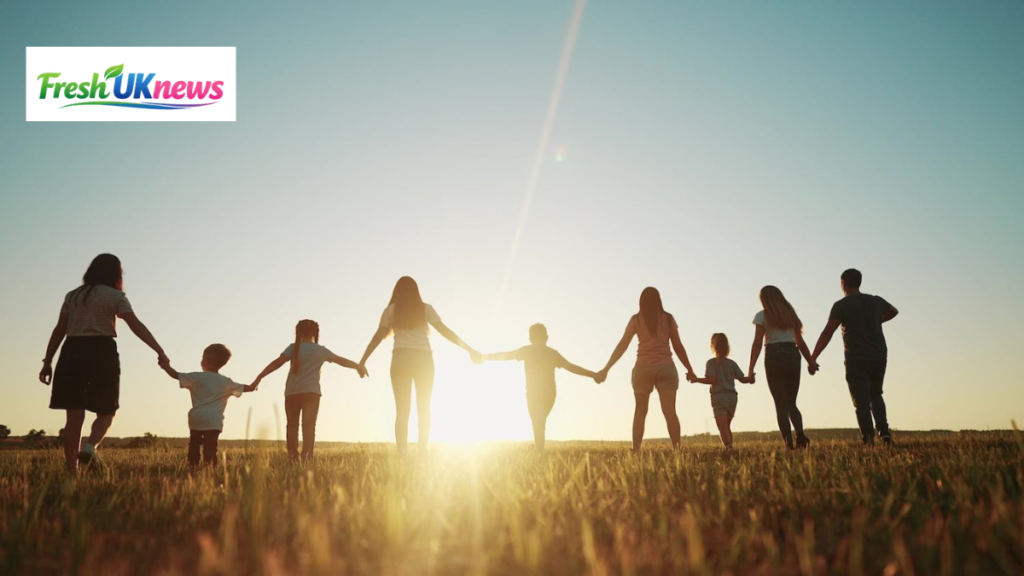
Daily life in a big family is often lively, structured, and filled with shared responsibilities. Mornings can be hectic, with multiple children preparing for school, parents managing tasks, and mealtimes serving as opportunities for connection. Older children often take leadership roles, assisting younger siblings with homework, chores, or routines, fostering responsibility and mentoring skills.
Communication within a big family is dynamic, requiring cooperation and organisation. Group decisions, family meetings, and shared activities help maintain fairness and structure. These routines create a sense of belonging, collaboration, and mutual respect. A big family environment encourages creativity, teamwork, and adaptability, offering children an enriched upbringing that prepares them for complex social and professional environments in adulthood.
Big Family: Cultural and Social Perspectives
The concept of a big family varies across cultures. In many collectivist societies, large families are celebrated as a source of strength, social stability, and intergenerational support. In contrast, some modern Western societies perceive big families as challenging due to financial or practical considerations. In the UK, big families are increasingly recognised for the social and emotional benefits they offer, despite occasional stereotypes about chaos or overcrowding.
Historically, large families were more common due to agricultural lifestyles, high birth rates, and economic needs. Today, children in a big family benefit from socialisation, collaboration, and empathy-building experiences. Cultural values, traditions, and social expectations influence how a big family functions, while modern households adapt to maintain balance, resources, and a nurturing environment for every child.
Big Family: Parenting Strategies
Parenting in a big family requires careful planning, organisation, and emotional support. Routines and schedules are essential to manage multiple children effectively, while parents must ensure each child receives attention and feels valued. Assigning roles, encouraging teamwork, and creating structured household systems help maintain harmony and fairness.
Attention balancing is vital in a big family. One-on-one time, shared activities, and rotating responsibilities ensure that each child’s emotional and developmental needs are met. Parents often rely on practical strategies, such as collaborative chores, group learning, and family discussions, to manage the complexities of big family life. These approaches help children thrive while maintaining strong familial bonds.
Big Family: Long-Term Impact
Growing up in a big family shapes personality and social skills in profound ways. Children develop empathy, adaptability, and a strong sense of responsibility. Exposure to multiple perspectives, personalities, and challenges equips them with problem-solving abilities and resilience that serve them well in adulthood.
Adults raised in a big family often report lasting bonds with siblings and cousins. They tend to excel in social situations, teamwork, and conflict resolution, reflecting the lessons learned from their family environment. The experience of growing up in a big family fosters a lifelong appreciation for collaboration, emotional intelligence, and meaningful relationships.
Conclusion
A big family offers a unique blend of advantages and challenges. From shared responsibilities and socialisation to occasional chaos, it shapes children’s emotional, social, and practical skills. Despite the hurdles, the experience of growing up in a big family fosters resilience, empathy, and lifelong connections, providing a nurturing and dynamic environment that equips children for life beyond the household.
Frequently Asked Questions
What defines a big family? – A big family typically has three or more children or includes extended relatives living together.
How does growing up in a big family influence personality? – It fosters empathy, adaptability, teamwork, and strong social skills.
What are the benefits of living in a big family? – Children gain built-in support, life skills, resilience, and strong family bonds.
How do parents manage attention in a big family? – By creating routines, assigning roles, and spending one-on-one time with each child.
What are common challenges in a big family? – Noise, limited space, sibling rivalry, and balancing attention and resources.
How does daily life differ in a big family? – It is lively and structured, with shared responsibilities and constant interaction.
Can a big family improve children’s social skills? – Yes, constant interaction with siblings and relatives enhances communication and cooperation.
What cultural differences exist for big families? – Some cultures celebrate large families as a strength, while others see them as challenging.
How do siblings in a big family get along? – Relationships vary, but shared experiences often foster teamwork, empathy, and lifelong bonds.
Why is growing up in a big family considered beneficial? – It develops resilience, social skills, responsibility, and close emotional connections.
Also Read: john henry kelley