










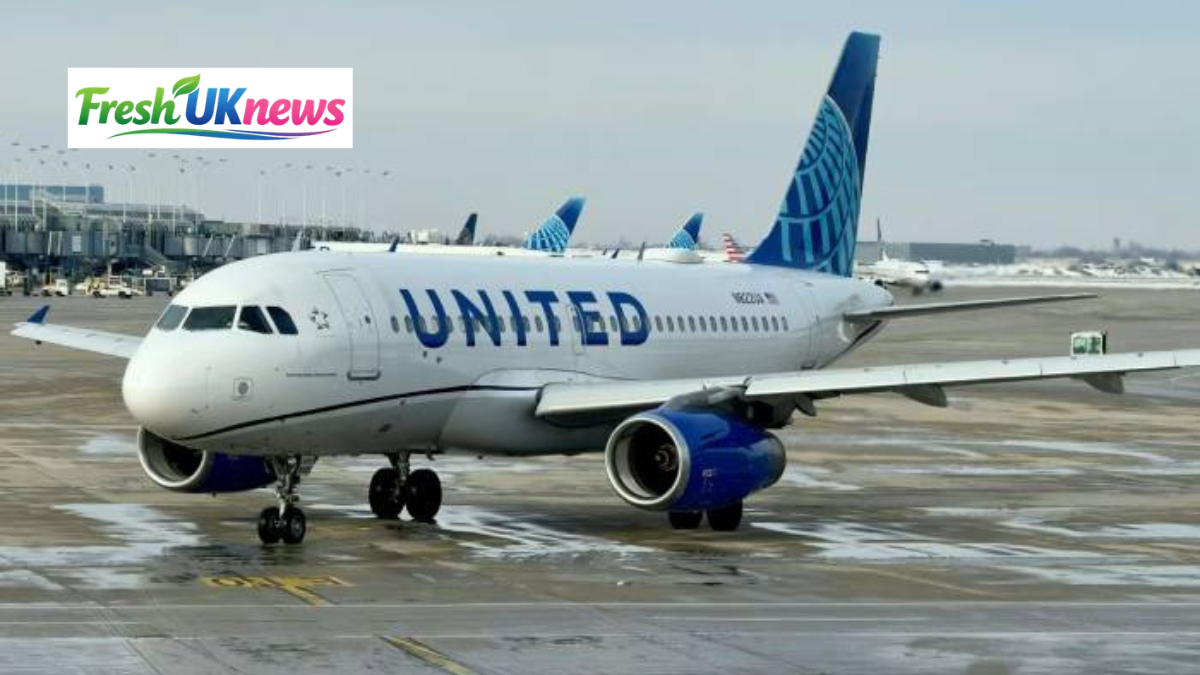
The United Airlines Flight UA770 emergency diversion became a topic of widespread attention among aviation enthusiasts and travellers alike. The flight, which normally operates a long-haul route between major international destinations, had to make an unexpected landing at London Heathrow due to an in-flight issue. Thankfully, the incident concluded safely, showcasing the effectiveness of modern aviation safety protocols and the professionalism of the flight crew in handling unforeseen events.
Incidents like this highlight the importance of strict aviation safety procedures. Passengers often experience concern during diversions, but these measures are designed to protect everyone on board. The United Airlines Flight UA770 emergency diversion demonstrated how airlines prioritise safety over schedule adherence, reassuring travellers that precautionary measures are vital for maintaining trust in commercial aviation.
Overview of United Airlines Flight UA770
United Airlines Flight UA770 is part of United Airlines’ extensive international network, connecting key cities across the globe. The aircraft used for this flight is equipped with advanced safety and navigation systems, allowing it to operate efficiently over long distances. Typically, the flight follows a set schedule, adhering to strict protocols for departure, in-flight monitoring, and arrival procedures.
The United Airlines Flight UA770 emergency diversion disrupted what would have been a routine journey. Despite the unexpected change in plans, the crew handled the situation calmly and efficiently. The incident reflects the rigorous training and preparedness of airline personnel, as well as the robustness of the airline’s operational systems that ensure passenger safety remains the top priority during any unforeseen circumstance.
What Triggered the United Airlines Flight UA770 Emergency Diversion
Emergency diversions can occur for multiple reasons, including technical issues, medical emergencies, or operational anomalies that demand immediate attention. Pilots are trained to assess these situations quickly and communicate with air traffic control to determine the safest course of action. The decision to divert is always made with passenger safety as the primary concern.
During the United Airlines Flight UA770 emergency diversion, the crew reportedly detected a situation that warranted precautionary action. While the precise details were not immediately disclosed, it is clear that the pilots followed established protocols. Such decisions prevent potential risks from escalating, demonstrating the airline’s commitment to safety and its ability to manage emergencies efficiently, even in high-pressure situations.
Timeline of Events During the Flight
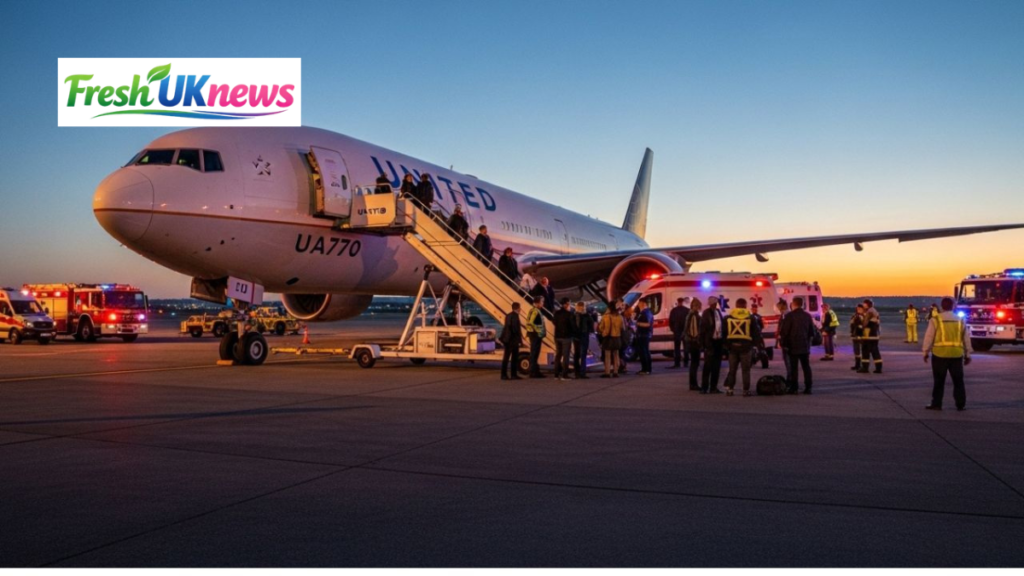
united airlines flight ua770 emergency diversion The flight began as scheduled, departing smoothly from its origin. The initial stages of the journey were uneventful, with passengers and crew settling into a routine flight pattern. Midway through the journey, the crew identified an issue that required evaluation, prompting a series of safety communications and coordination with air traffic control.
Following assessment, the decision was taken to divert the aircraft to London Heathrow. The United Airlines Flight UA770 emergency diversion was executed under controlled conditions, ensuring a safe approach and landing. Passengers were kept informed throughout the process, and ground operations were prepared to assist immediately upon arrival, demonstrating the seamless coordination between the flight crew and airport authorities during emergency situations.
How Airline Emergency Diversions Work
Emergency diversions are a critical aspect of aviation safety. Pilots are trained to make real-time decisions based on a range of factors, including aircraft condition, weather, and available airports. Air traffic control plays a crucial role, guiding the aircraft safely to the most suitable location for landing. Diversions are always conducted with comprehensive safety procedures in place.
In the case of the United Airlines Flight UA770 emergency diversion, Heathrow Airport was the nearest and safest location for landing. Emergency services and technical teams were ready to respond if required. Post-landing, the aircraft underwent a thorough inspection, while passengers received guidance and support. This incident exemplifies how standard diversion protocols ensure both immediate safety and long-term operational integrity.
Passenger Experience and Airline Response
Passengers experiencing a diversion may feel anxious, but airline crews are trained to maintain calm and provide clear communication. Cabin staff play a crucial role in reassuring travellers and managing the situation professionally. Information about the nature of the diversion is usually provided as it becomes available, helping passengers understand the measures being taken.
Following the United Airlines Flight UA770 emergency diversion, the airline took steps to assist passengers with rebooking and onward travel plans. Crew professionalism and effective communication ensured that passenger safety and comfort remained central throughout the incident. United Airlines’ response highlighted the importance of proactive support during in-flight disruptions, reinforcing passenger confidence in airline operations.
Why Emergency Diversions Are Essential in Aviation Safety
Emergency diversions may seem dramatic, but they are a routine and essential part of aviation safety. Airlines prefer to land early rather than risk potential complications mid-flight. This cautious approach ensures that minor issues are addressed before they escalate, protecting both passengers and crew.
The United Airlines Flight UA770 emergency diversion demonstrates the effectiveness of aviation safety protocols. Pilots, engineers, and airline operations teams coordinate seamlessly to make informed decisions. By prioritising caution, airlines maintain high safety standards and reassure the travelling public that every measure is taken to prevent risk during commercial flights.
Public Reaction and Media Coverage
Media outlets and social media platforms reported extensively on the United Airlines Flight UA770 emergency diversion. Aviation experts praised the crew’s calm handling of the situation, while frequent travellers shared updates on flight tracking apps and social media channels. The incident received attention not just for the diversion itself, but for how smoothly the emergency protocols were executed.
Public reactions highlighted both curiosity and admiration for airline safety practices. Coverage focused on the professionalism of the crew and the airline’s transparent communication. The United Airlines Flight UA770 emergency diversion became an example of how commercial aviation manages unexpected events efficiently, reinforcing public confidence in flight safety and operational preparedness.
Conclusion
The United Airlines Flight UA770 emergency diversion serves as a clear example of how safety protocols in aviation are designed to protect passengers in unexpected situations. Despite the disruption, the flight landed safely at Heathrow, demonstrating the effectiveness of well-trained crews and comprehensive operational systems. Passengers were assisted promptly, ensuring minimal inconvenience and maximum safety.
This incident highlights that emergency diversions, while rare, are an important part of airline operations. By prioritising caution and adhering to strict protocols, airlines like United maintain the trust and confidence of passengers. The successful handling of the United Airlines Flight UA770 emergency diversion reinforces that modern aviation continues to be one of the safest modes of travel worldwide.
Frequently asked questions
What was the United Airlines Flight UA770 emergency diversion?
The flight diverted from its scheduled route and landed safely at Heathrow due to a precautionary issue detected mid-flight.
Why did the aircraft divert to Heathrow?
The diversion was made because the crew identified a potential risk and chose the nearest suitable airport for safety.
Were passengers safe during the incident?
Yes, all passengers and crew were safe, and the aircraft landed without injuries reported.
What usually causes an emergency diversion?
Diversions occur due to technical alerts, medical emergencies, operational anomalies, or adverse weather conditions.
Do emergency diversions happen often?
They are relatively uncommon but remain a standard safety procedure to manage in-flight risks efficiently.
Also Read: blake lively engagement ring